

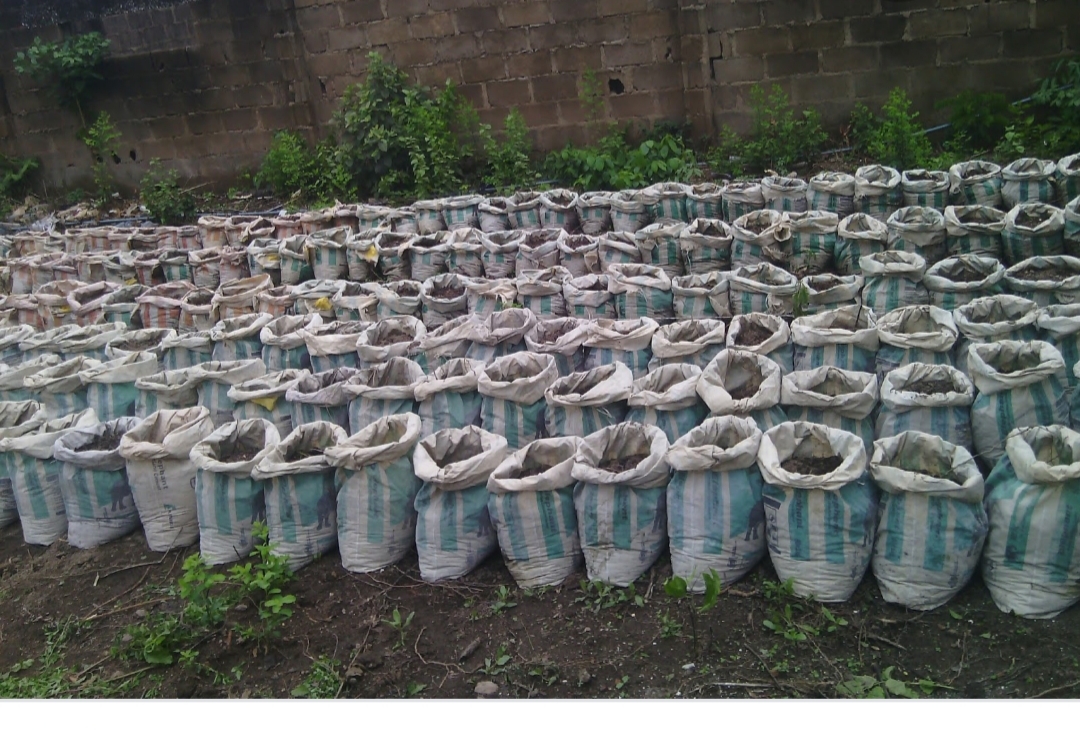
With increasing food insecurity and limited access to arable land, sack farming has emerged as a practical and innovative solution, especially for individuals in urban and periurban areas. Also known as bag gardening or container farming, sack farming allows people to grow vegetables and herbs using vertical space and minimal soil—making it ideal for low-income households, women, and youth in both cities and rural communities.
What is sack farming?
Sack farming is a cost-effective, space-saving farming technique that involves planting crops in large sacks filled with a mixture of soil, manure, and organic materials. The sacks are often perforated to allow side-to-side planting, creating a multilayer vertical farm from a single sack.
It’s an easy-to-start method that supports household nutrition, entrepreneurship, and community farming initiatives.
Why Sack Farming?
- cost and easy to maintain
- Requires less land and water
- Ideal for urban environments or areas with poor soil
- Supports year-round cultivation
- Helps reduce household food costs
- Empower women and youth with income-generating opportunities
Materials Needed for Sack Farming
- Woven sacks or old rice/cement bags (50 kg)
- Rich soil mixed with compost or manure
- Stones or gravel (for drainage and stability)
- Watering can or drip irrigation system
- Seeds or seedlings (e.g., spinach, tomatoes, lettuce, peppers, onions, carrots, herbs)
How to Start Sack Farming (Step-by-Step)
- Choose Your Sack
Use a durable sack (preferably one that can stand upright on its own). - Create a Drainage Core
Fill the centre with stones to allow excess water to drain and support vertical root growth. - Add Soil Mix
Alternate layers of soil and compost around the core until the sack is full. - Poke Planting Holes
Make small holes along the sides and top of the sack. The side holes allow multiple planting levels. - Plant Your Seeds or Seedlings
Place seeds or transplants in each hole and water gently. - Water Regularly
Keep the soil moist but not soaked. You can install simple drip systems for better efficiency.
Best Crops for Sack Farming
- Leafy Greens: Spinach, kale, lettuce, amaranth
- Vegetables: Tomatoes, carrots, onions, peppers
- Herbs: Basil, parsley, mint, scent leaf
- Legumes: Cowpeas, beans (in deeper bags)
Challenges & Solutions
- Water retention in hot weather – Use mulch and water early or late in the day.
- Pest infestation – Use organic pesticides and natural repellents.
- Sack degradation – Choose UV-resistant sacks or use recycled jute.
- Poor drainage – Ensure core stones are evenly placed.
Economic and Social Impact
Sack farming is more than just a gardening method—it’s a tool for empowerment. In low-income and marginalized communities, particularly among women and youth, sack farming has been used to:
- Improve household nutrition
- Create smallscale agribusinesses
- Teach sustainable agriculture in schools
- Support community feeding programs
- Provide income during economic hardship
Sack Farming for the Future
At MyVoteMyVoice, we believe in empowering communities through sustainable practices like sack farming. We train individuals, especially girls and women, on practical farming methods that build resilience and self-reliance.
By promoting urban farming education, we are not just growing vegetables—we’re growing hope, skills, and opportunities.
Take the First Step
Whether you’re a beginner or a community organizer, sack farming is a powerful tool to combat hunger, improve livelihoods, and encourage selfsustainability.
Join Our Initiative Today:
- Attend a free sack farming workshop
- Partner with us to train schools or women’s groups
- Start your home sack farm
Additional Resources
- World Bank – Agriculture for Development: https://www.worldbank.org/en/topic/agriculture
Sack farming is more than just planting—it’s nurturing a better future. Let’s cultivate together.