
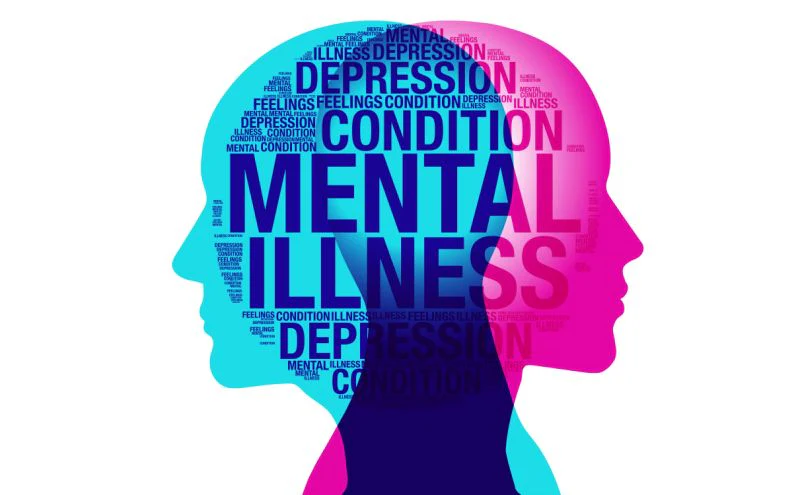
Mental health is a critical part of overall well-being, yet millions of people around the world struggle with mental health issues in silence. From anxiety and depression to more severe disorders, mental health challenges can affect anyone—regardless of age, gender, or background. The good news is that mental health conditions are treatable, and early intervention can make a lasting difference.
What is Mental Health?
Mental health refers to our emotional, psychological, and social well-being. It affects how we think, feel, act, and interact with others. Good mental health helps us cope with stress, build healthy relationships, and make sound decisions.
Mental health issues can arise from a variety of factors, including trauma, life experiences, genetic predisposition, or chronic medical conditions.
Common Mental Health Disorders
Understanding the most common mental health challenges helps reduce stigma and encourages support-seeking behaviour.
- Depression—Persistent sadness, hopelessness, and lack of interest or pleasure in daily activities
- Anxiety Disorders—Excessive fear, worry, or nervousness, including panic attacks and phobias
- Bipolar Disorder—Alternating periods of extreme highs (mania) and lows (depression)
- Post Traumatic Stress Disorder (PTSD)—Anxiety following traumatic experiences
- Obsessive Compulsive Disorder (Unwanted thoughts (obsessions) and repetitive behaviors (compulsions)
- Eating Disorders—Unhealthy relationships with food, including anorexia, bulimia, and binge eating
Warning Signs of Mental Health Struggles
- Persistent sadness or withdrawal from social activities
- Extreme mood changes
- Confused thinking or trouble concentrating
- Excessive fears or worries
- Feeling overwhelmed or hopeless
- Substance abuse
- Thoughts of self-harm or suicide
Causes and Risk Factors
Mental health issues are complex and may result from a combination of
- Biological factors—genetics, brain chemistry, or hormonal changes
- Life experiences—trauma, abuse, or major life changes
- Environmental factors—neglect, poverty, or lack of access to healthcare
- Chronic stress—financial struggles, academic pressure, or caregiving responsibilities
Diagnosis and Support
Mental health diagnoses are typically made by professionals such as psychologists, psychiatrists, or licensed therapists through assessments and interviews.
Support can include:
- Therapy or Counseling—Talking to a trained professional
- Medication—for chemical imbalances or mood regulation
- Lifestyle Changes—Exercise, diet, sleep, and mindfulness
- Support Groups—Community or peer spaces for sharing and healing
Breaking the Stigma
Mental health should be treated just like physical health—with empathy, openness, and understanding. Stigma and misinformation often prevent people from seeking help, especially in underserved communities.
Let’s change the narrative by:
- Promoting mental health education
- Encouraging open conversations
- Providing safe spaces for expression and healing
- Reaching out to those who are struggling
Prevention & Mental Wellness Practices
Here are ways to protect and strengthen mental health:
- Practice self-care—make time for rest, hobbies, and fun
- Stay connected—maintain supportive relationships
- Limit screen time—especially on social media
- Exercise regularly—boosts mood and reduces stress
- Seek help early—don’t wait until things get worse
- Meditation & Mindfulness—Promote inner peace and clarity
Our Commitment at MyVoteMyVoice
At MyVoteMyVoice, we are committed to supporting mental health awareness in underserved communities, especially among young women and girls. We aim to create safe spaces for education, healing, and access to professional support.
Through webinars, school outreach, and collaborative campaigns, we’re bringing mental wellness to the forefront of community development.
Take Action Today
You are not alone. Mental health challenges are real and treatable.
Here’s how you can help:
- Share this message to raise awareness
- Attend a mental health webinar or support group
- Encourage your loved ones to speak up and seek help
- Support mental health advocacy in your local area
Helpful Resources
- World Health Organization—Mental Health: https://www.who.int/health-topics/mental-health
- Mental Health America: https://www.mhanational.org
- National Alliance on Mental Illness (NAMI) 🙁https://www.nami.org
- BetterHelp—Online Therapy Platform: https://www.betterhelp.com/
Together, we can promote mental wellness, fight stigma, and help individuals lead healthier, happier lives.