

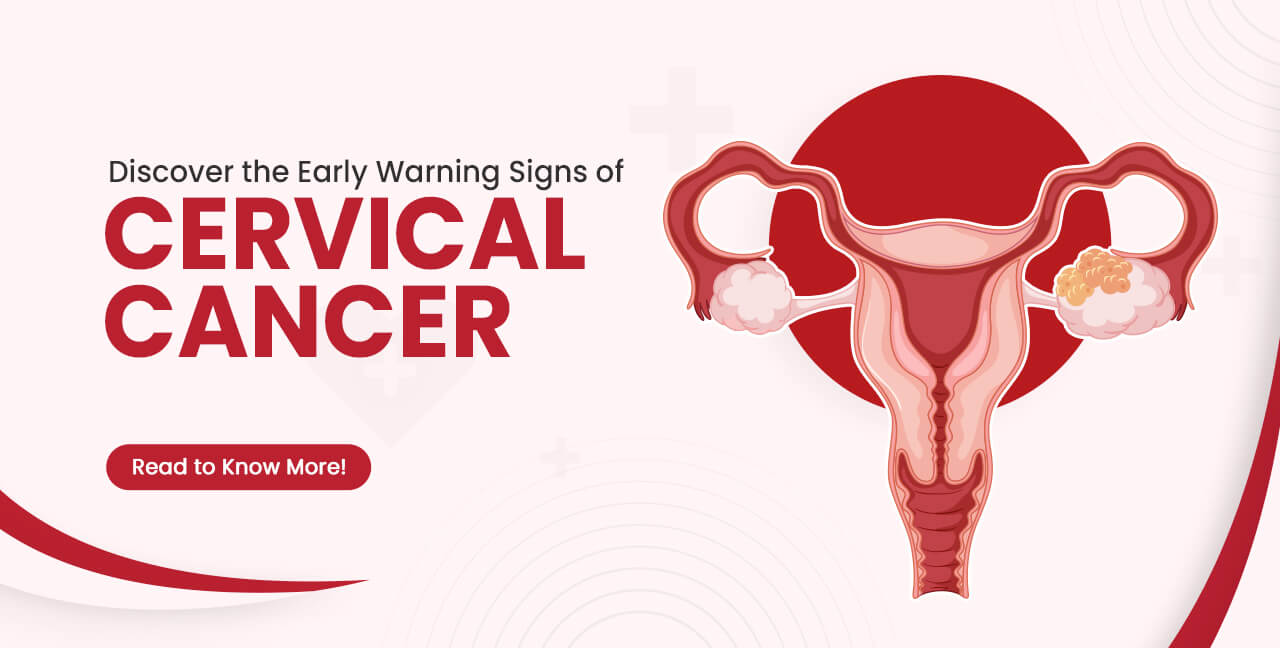
Cervical cancer remains a life-threatening disease affecting millions of women globally. According to the World Health Organization, it is the fourth leading cause of cancer-related deaths among women worldwide. The good news? Cervical cancer is preventable—through early detection, awareness, and vaccination.
What is cervical cancer?
Cervical cancer starts in the cervix, the lower part of the uterus that connects to the vagina. The primary cause is human papillomavirus (HPV), a common sexually transmitted infection. While many HPV infections resolve on their own, some strains can cause abnormal changes in cervical cells, leading to cancer over time.
Symptoms of Cervical Cancer
In its early stages, cervical cancer may not show noticeable symptoms. As it progresses, the following signs may appear:
- Abnormal vaginal bleeding (between periods, after sex, or post-menopause)
- Pelvic pain or pressure
- Unusual vaginal discharge (watery, bloody, or foul-smelling)
- Pain during intercourse
- Fatigue and unexplained weight loss
Risk Factors
Several factors can increase the risk of developing cervical cancer:
- HPV infection—the leading cause
- Early sexual activity
- Multiple sexual partners
- Smoking—which weakens the immune system
- Weakened immune including HIV/AIDS
Detection and Diagnosis
Early diagnosis improves survival rates and treatment success. Common methods include
Screening Tests
- Pap Smear—Detects abnormal cervical cells
- HPV DNA Test—Identifies high-risk HPV strains
- Co-testing—Combines Pap and HPV tests (recommended for women aged 30+)
Diagnostic Procedures
- Colposcopy—A closer look at the cervix using a special scope
- Biopsy—Removal of cervical tissue for lab analysis
- Endocervical Curettage (Examines the cervical canal)
- Imaging Tests—Ultrasound, MRI, or CT scan to assess the spread
Stages of Cervical Cancer
- Stage I – Confined to the cervix
- Stage II—Spread to nearby areas like the vagina
- Stage III—Reached pelvic wall or lower vagina
- Stage IV – Spread to distant organs
Prevention & Early Detection
Preventive strategies that save lives:
- Regular Screening—Pap smears and HPV testing
- HPV Vaccination—Best administered before sexual activity begins
- Safe sex practices—to reduce HPV transmission
- Smoking cessation—strengthens immunity
Treatment Options
Treatment depends on the cancer stage and overall health.
- Surgery—removal of affected tissue or organs
- Radiation therapy—targets and destroys cancer cells
- Chemotherapy—drug treatment to kill cancer cells
Take Action Today
Cervical cancer is treatable and preventable. Every woman deserves access to life-saving information and healthcare services.
Protect Yourself and Others:
- Get the HPV vaccine
- Schedule regular Pap smears
- Practice safe sex
- Listen to your body and report unusual symptoms
- Support **awareness efforts in your community.**
Helpful Resources
- American Cancer Society (ACS) – Cervical Cancer
- Centres for Disease Control and Prevention (CDC) – Cervical Cancer
- National Cancer Institute (NCI) – Cervical Cancer
- World Health Organization (WHO) – Cervical Cancer
- American College of Obstetricians and Gynecologists (ACOG) – Cervical Cancer
- Cervical Cancer Action (CCA) – Advocacy and Education
- Women’s Health.gov – Cervical Cancer